Spring in the UK: Why Headaches and Migraines Often Flare and How Specialist Physiotherapy Can Help
Spring is a season many people look forward to: longer days, brighter mornings, and the first signs of warmth after winter. But for a surprising number of people in the UK, spring also brings something far less welcome, an increase in headaches and migraines.
If you’ve noticed your symptoms becoming more frequent or intense at this time of year, you’re not imagining it. Spring is a period of rapid environmental change, and those shifts can have a real impact on the nervous system, the cervical spine, and the musculoskeletal structures that influence headache disorders.
At our specialist physiotherapy practice, we see this pattern every year. Understanding why it happens is the first step toward managing it effectively.
🌼 Why Spring Can Trigger More Headaches
Several spring‑specific factors can contribute to a rise in headache and migraine episodes:
1. Sudden Weather Changes
Spring in the UK is famously unpredictable. Rapid swings in temperature, humidity, and barometric pressure can irritate sensitive neural pathways involved in migraine. For many people, these fluctuations are a major trigger.
2. Increased Allergen Exposure
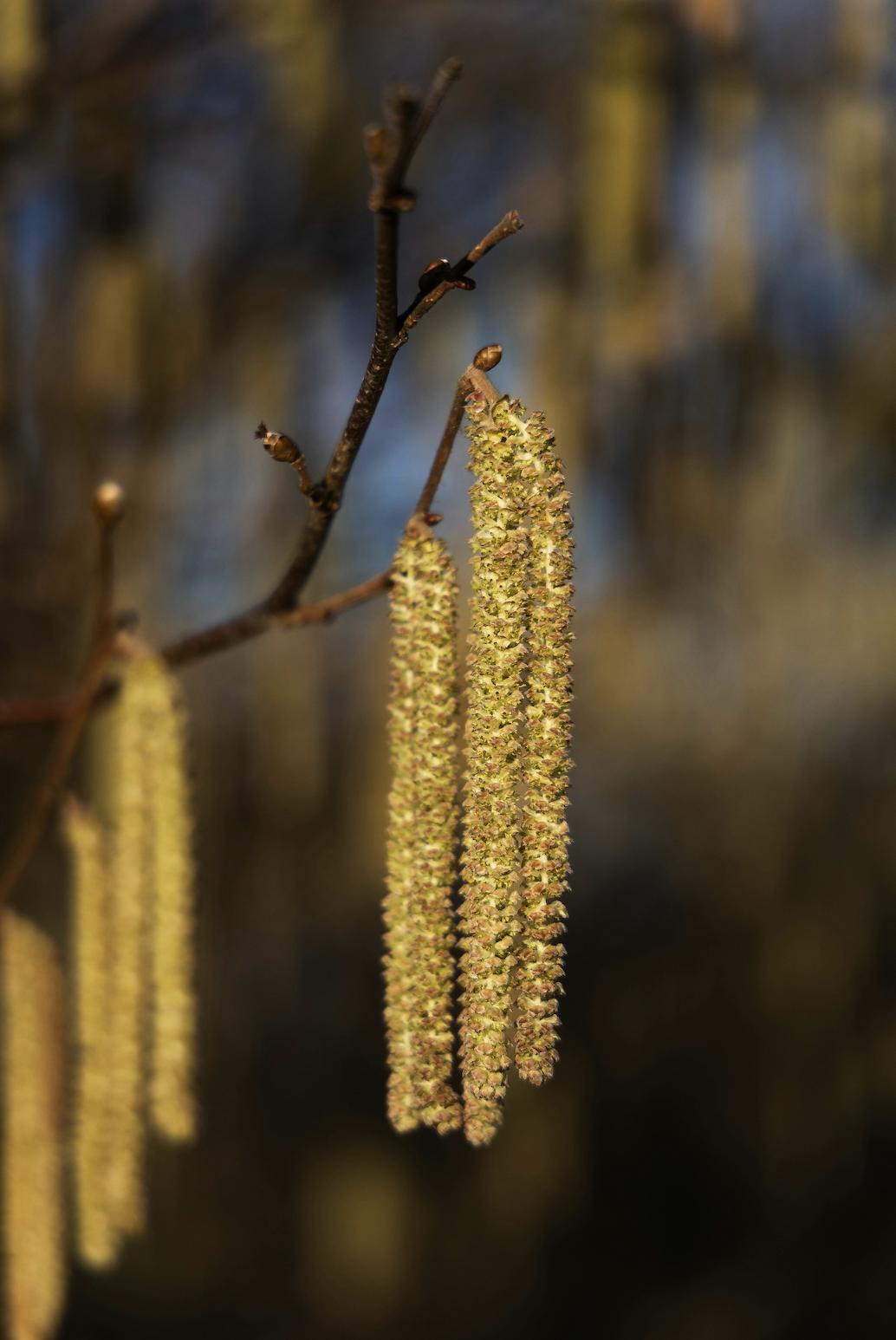
Tree pollen peaks in early spring. Even if you don’t have classic hay fever symptoms, low‑grade inflammation from allergens can contribute to sinus pressure, neck tension, and migraine susceptibility.
3. Changes in Routine and Light Exposure
Longer daylight hours can disrupt sleep patterns, and even small changes in circadian rhythm can influence headache frequency. More outdoor activity, often with poor early‑season posture (gardening, running, cycling) can also aggravate neck and upper‑back structures.
4. Muscle Tension After Winter
Many people spend winter months more sedentary, working indoors, and holding postures that strain the neck and shoulders. As activity increases in spring, these underlying issues can become more noticeable.
🧠 A Global Problem With Local Seasonal Patterns
While spring triggers are seasonal, headaches and migraines themselves are part of a much larger picture the worldwide burden of migraine remains extremely high, affecting over a billion people and ranking among the leading causes of disability globally.
This global perspective reinforces what we see clinically: headaches are not a minor inconvenience. They are a significant health issue that deserves specialist attention, especially when seasonal changes make symptoms worse.
💆♀️ How Specialist Physiotherapy Can Reduce Springtime Headaches
Our practice focuses on the musculoskeletal and neurological contributors to headache and migraine. During spring, we often help patients manage:
- Cervical spine stiffness
- Postural strain from increased outdoor activity
- Myofascial trigger points aggravated by temperature changes
- TMJ tension linked to seasonal allergies
- Nervous system hypersensitivity triggered by environmental shifts
Our treatment approach may include:
- Gentle manual therapy to restore neck mobility
- Soft tissue release to reduce muscle tension
- Postural and ergonomic retraining
- Tailored exercise programmes to build resilience
- Education on seasonal triggers and self‑management strategies
Many patients find that with the right physiotherapy support, spring becomes far more manageable and often far more enjoyable.
🌱 Spring Doesn’t Have to Mean More Pain
If you’ve noticed your headaches increasing as the seasons change, you’re not alone and you don’t have to simply put up with it. Specialist physiotherapy can help you understand your triggers, reduce your symptoms, and regain control over your daily life.
Spring is a time of renewal. With the right support, it can also be a time of relief.